Squalane has become a cornerstone of modern skincare thanks to its unique compatibility with human physiology. It is the fully hydrogenated and stable form of squalene, a lipid naturally produced by sebaceous glands and present in olive oil, rice bran, and other plant sources. This transformation from squalene to squalane eliminates double bonds, preventing oxidation and ensuring exceptional shelf stability.
Dermatological research confirms that squalane enhances skin hydration and barrier recovery without irritation or pore congestion (Huang et al., 2009; Cosmetic Ingredient Review, 2019). Because its structure closely resembles that of natural sebum, it integrates into the stratum corneum, helping restore lipid organization and reducing transepidermal water loss (TEWL).
Squalane acts simultaneously as an emollient, occlusive, and skin-barrier support agent. Ex vivo studies demonstrate that formulations containing squalane significantly increase hydration and epidermal smoothness compared to standard emollients (Oliveira et al., 2022). Its micro-occlusive film allows moisture retention without heaviness, which explains its use in both dermatological and luxury skincare.
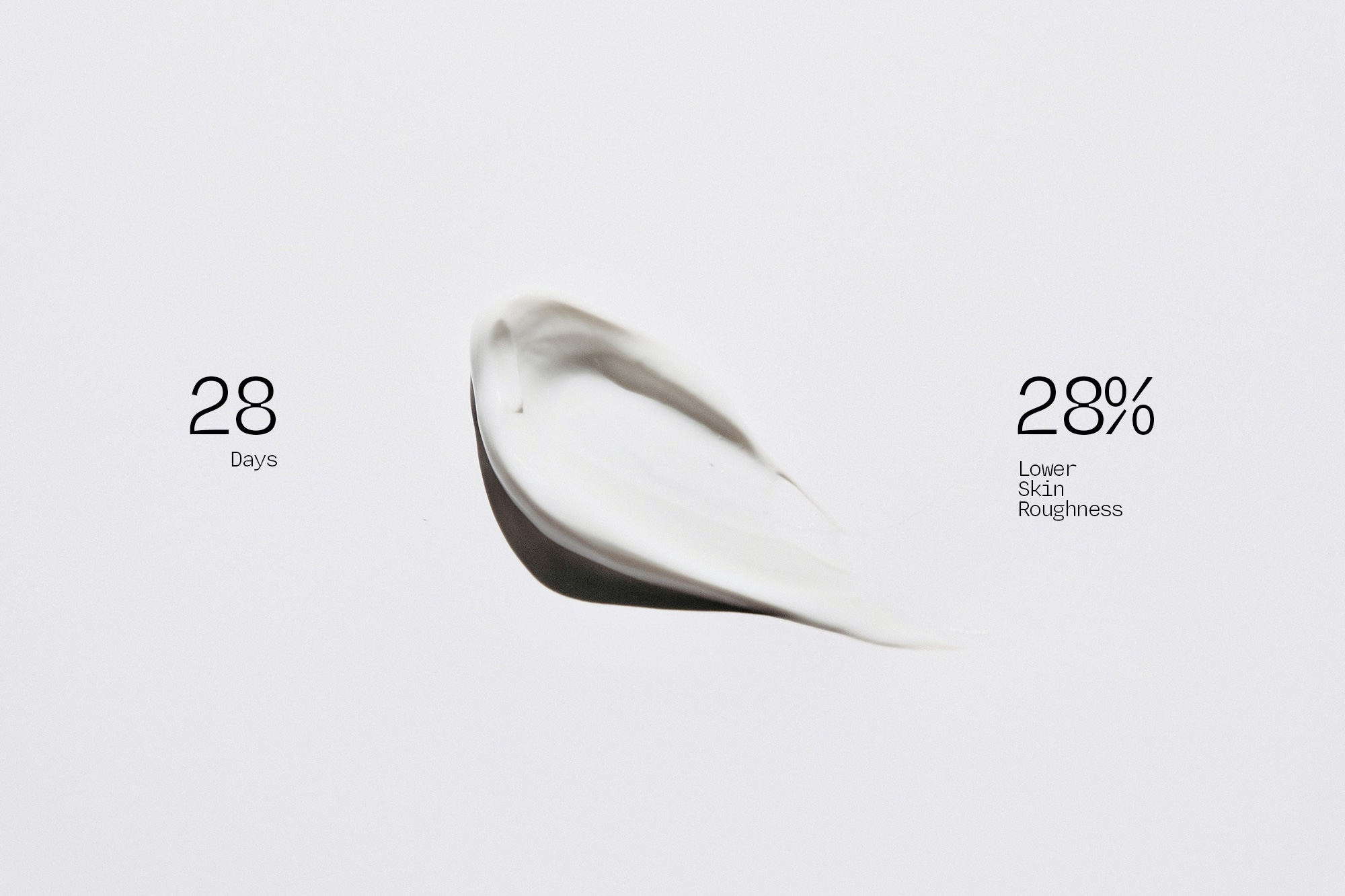
Equally important is its biocompatibility. Clinical findings show that squalane is non-comedogenic and hypoallergenic, even for acne-prone or sensitive skin. It exhibits mild anti-inflammatory effects that reduce erythema and irritation (Wolosik et al., 2025). This rare combination of lightweight texture and universal tolerance positions squalane among the safest and most effective emollients in dermatology.
While not classified as a pharmacologically active anti-aging molecule, squalane contributes indirectly to skin renewal. By reinforcing the barrier and maintaining hydration, it fosters an optimal environment for keratinocyte differentiation and collagen synthesis. Its mild antioxidant capacity allows it to neutralize reactive oxygen species (ROS) and protect lipids and structural proteins from oxidative stress (Kim et al., 2012).
In topical delivery systems, squalane enhances both penetration and stability of actives such as retinoids and tocopherols, serving as a biocompatible carrier phase in complex emulsions and anhydrous formulations.
Historically, squalene, the precursor of squalane, was extracted from deep-sea shark liver oil, where it accounted for up to 80 % of the liver mass. This unsustainable sourcing once led to the exploitation of several shark species, with millions harvested annually (Bloom Association, 2018).
Advances in green chemistry and biotechnology changed the paradigm. Today, the majority of commercial squalane is obtained from plant-derived or bio-fermented sources such as olive pomace, rice bran, wheat germ, and sugarcane. The olive route, in particular, embodies a circular-economy model, valorizing olive-oil by-products that would otherwise become waste (Huang et al., 2009).
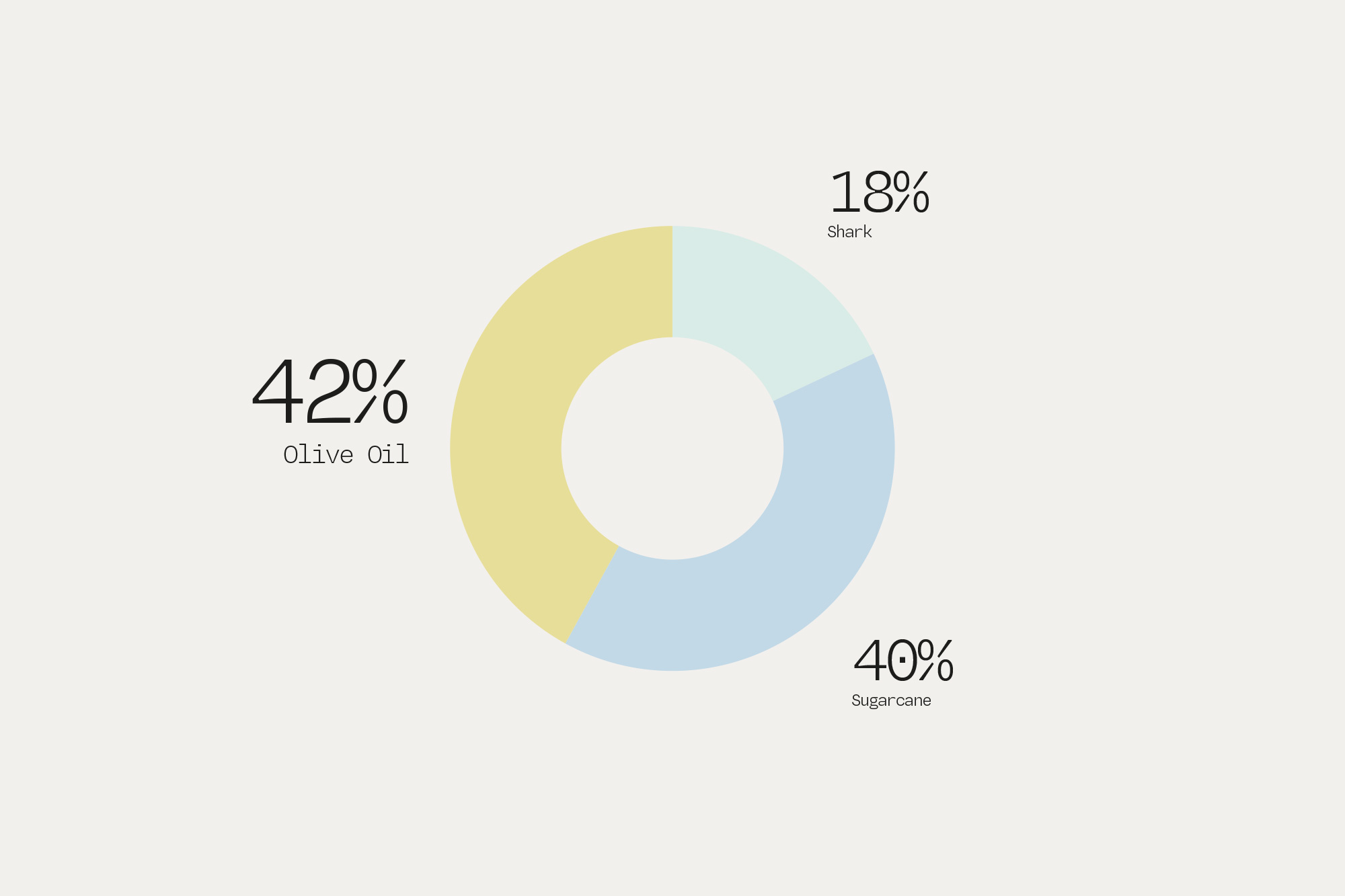
More recently, microbial biosynthesis using Saccharomyces cerevisiae and Thraustochytrium species has emerged as a scalable and low-impact alternative. This approach allows carbon-neutral production from renewable feedstocks (Shalu et al., 2024). These innovations have virtually eliminated shark-derived squalane from responsible supply chains, marking a milestone in ingredient sustainability.
High-grade cosmetic squalane is characterized by ≥ 92 % purity, verified through gas chromatography or HPLC. Purity determines oxidative stability, color, and odor profile—key factors for sensorial quality and performance.
Traceability now defines best practice in cosmetic raw materials. Analytical laboratories employ isotopic fingerprinting to confirm botanical versus marine origin (CIR, 2019). Certified producers follow COSMOS, ISO 16128, and IFRA frameworks to guarantee natural origin, ethical sourcing, and environmental compliance. Transparent documentation ensures that each batch can be traced from its agricultural or fermentation source through hydrogenation and distillation to final quality control.
Squalane’s trajectory, from ocean to orchard, from extraction to regeneration, illustrates how modern formulation science can reconcile performance with responsibility. Biologically compatible, remarkably stable, and now sustainably sourced, squalane exemplifies the new generation of clean performance ingredients: molecules that deliver measurable efficacy while aligning with ethical and environmental values.
Its evolution reflects the essence of innovation at Naturol: turning natural intelligence into lasting beauty and balance.